
Omni Channel
Reach Your Ideal Audience with an Omni Channel Strategy

Reach Your Ideal Audience with an Omni Channel Strategy
Ever feel like you’re missing the mark despite trying countless strategies to reach your ideal audience?
You’re not alone, many businesses face this challenge today. The answer? Omnichannel!
Omni Channel not only extends your reach but also keeps you adaptable to technological advancements. By leveraging these innovations, businesses can elevate engagement and succeed in the ever-changing digital landscape.
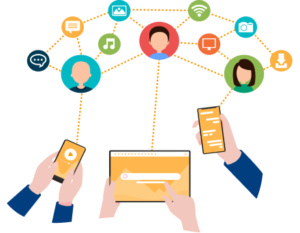
At Satat, we adhere to a meticulous process for implementing an omni-channel strategy


In Summary, Omni-channel is a highly effective methodology for engaging customers. It offers myriad advantages, including enhanced reach, seamless interactions, increased profitability, and brand consistency At Satat, we adhere to a systematic process encompassing comprehensive customer understanding, channel integration, consistent messaging, personalized interactions, and continuous monitoring and optimization. Want to develop an omni-channel approach for your business?

What is Omni Channel?
Omni channel is a customer experience strategy that ensures a seamless and integrated approach across all channels. This means providing a consistent and unified message, service, and experience across various platforms, whether online or offline.
Multi-Channel and Omni-Channel are the same?
Multi-channel and omni-channel are related but distinct concepts. Multi-channel refers to a business being present across various channels, but these channels may operate independently with separate messaging and processes. In contrast, omni-channel encompasses a multi-channel approach with the added element of a unified, seamless experience across all touchpoints.
Why is Omni Channel Strategy important?
Omni-channel is important because it ensures a seamless and consistent customer experience across all touchpoints, preventing the loss of potential interactions and opportunities. By integrating various channels, businesses can better engage with their target audience, enhance customer satisfaction, and ultimately drive higher profitability through improved customer retention and increased sales.
Is Omni Channel good for small business also?
Yes, omni-channel is beneficial for small businesses as well. It helps them engage with their audience across various platforms where they are active, increasing visibility and accessibility. This cohesive approach can boost customer satisfaction and loyalty, ultimately leading to increased profitability and a stronger position in the competitive market.
How does Satat help with omni channel strategy?
At Satat, we follow a detailed process for implementing an omni-channel strategy. It begins with understanding consumers, followed by integrating relevant channels, ensuring consistent messaging, providing personalized interactions, monitoring results, and optimizing based on insights.
How do I measure the success of omni channel strategy?
To measure the success of an omni-channel strategy, focus on customer experience metrics like satisfaction and loyalty scores, track engagement across channels, and analyze sales performance including conversion rates and average order value.
What tools or technologies are important for omni channel strategy?
Key tools for an omni-channel strategy include CRM systems for managing customer data, marketing automation platforms for coordinating campaigns, and analytics tools for tracking performance and many more.
Satat stands for Continuous Delivery,
Persistent Improvement and
Relentless Innovation